🔐SecurityHub ✦ phyrenix.com
✦ 17 SECURITY TOOLS · FREE INSTANT ANSWERS

Security answers that lock the worry out.

From a motion light that finally makes the back door feel less dark to the honest question of whether a monitored alarm is worth $40 a month, home security is mostly calm, boring decisions made in advance — not fear. These tools compare the real costs, rank the door-and-window fixes that matter, sanity-check the actual break-in numbers for your neighbourhood, and walk you through trips, rentals, packages and pets step by step. Most break-ins are opportunistic: lock the opportunity, keep the receipts, sleep properly. The full detailed report costs less than a coffee: $2.95.

17 toolsFree instant local answers ≈ one coffee ($2.95) for the full reportNo sign-up · No fear-mongering · Educational
Trip Security Checklist: Out for the Day or a Night Away

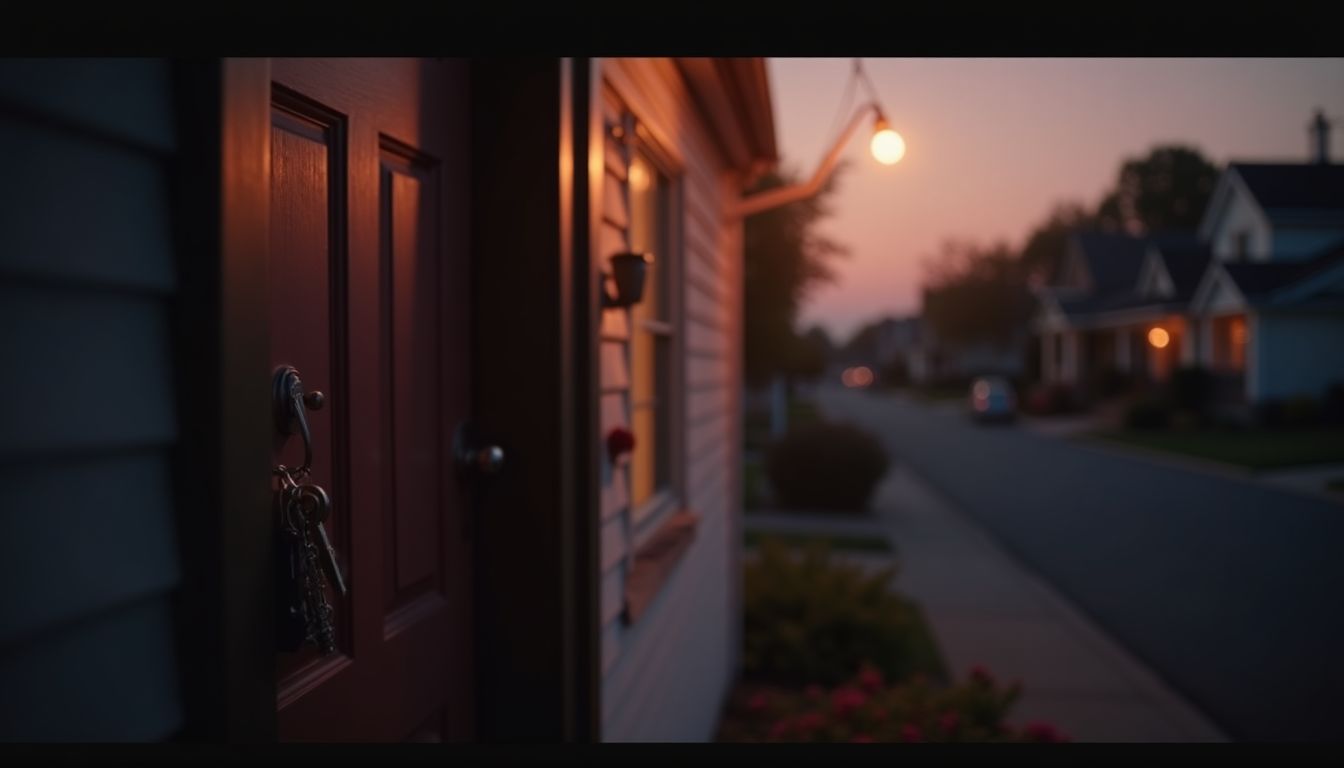
A porch light glowing over a front door at dusk with a delivery parcel on the mat, deep charcoal evening and a warm rose-red lamp glow through the window — neighbourhood routines guide

Most burglaries are quick, opportunistic and often in daylight when homes look empty — which means the two-minute locked-up routine matters more than any gadget. This short-trip checklist covers the honest reality of brief absences: the door left unlocked 'just while I pop out', the window open a finger-width, the side gate unlatched — the exact windows an opportunist needs, especially when a 20-minute errand becomes two hours. For any absence over an hour it adds the 60-second sweep: ground-floor windows closed and locked, gate latched, bike and tools out of sight. For an overnight it grows by exactly three things: a light on a believable timer, the outside spare key brought in, and a check that the back door and garage interior door are locked — not just the front. The return ritual is a 10-second glance at doors and locks before you relax.

⚡ Free instant check

The quick routine for short absences — a workday out, a weekend away or an overnight — that costs two minutes and removes the easy opportunities a quick grab relies on.

Answer 0-10 (10 = the stronger end for every question — no wrong answers). Your answers stay on this device — nothing is stored.

Empty-looking for days — 5 — Lived-in even when away
Hope and habit — 5 — Automatic every time
Porch pile-up — 5 — Collected or redirected
Never — 5 — Clock-change routine

Why it matters

  • Most burglaries are quick and opportunistic, and many happen in daylight when homes look empty — the two-minute locked-up routine below is aimed squarely at that reality, not at the Hollywood cat burglar.
  • The daylight giveaway is the car: a driveway empty all day every day is a pattern, but for a single day out the honest risk is much simpler — the door left unlocked 'just while I pop out', the window open a finger-width, the side gate unlatched.
  • Short absences are when people trust the neighbourhood most and lock the least: the 'I will only be 20 minutes' run to the shop is exactly the window an opportunist needs, and the 20-minute errand that becomes two hours is how most unlocked-door burglaries happen.
  • The honest two-minute routine: lock the door behind you (even for the shop), close and lock ground-floor windows, latch the gate, and take the obvious valuables out of sight from the street — wallet, keys and phone stay on you anyway.
  • For an overnight away the list grows by exactly three things: a light or radio on a timer, the spare key collected from outside, and a quick check that the back door and garage interior door are locked — not just the front.

Your checklist

  • Build the habit at the door: keys in hand, door locked behind you every single time — make it muscle memory, not a decision.
  • Do the 60-second sweep for any absence over an hour: ground-floor windows closed and locked, side gate latched, bike and tools out of sight.
  • For overnight: one interior light on a timer or left on in a believable room, and the radio or TV option if you have a timer plug.
  • Bring the outside spare key in with you, or leave it only in a bolted key safe.
  • Lock the car and take the garage remote inside — a car in the drive is part of the house.
  • If you are back after dark, leave an outside light on a timer so you arrive to light, not darkness.
  • On return, a 10-second glance at the door, locks and obvious entry points before you relax — most disturbances are spotted this way, not by cameras.

❓ Trip Security Checklist: Out for the Day or a Night Away — FAQ

Do I really need to lock the door for a 20-minute errand?

Yes — that is exactly the window opportunistic burglars rely on. Most unlocked-door burglaries start as 'I will only be 20 minutes', and the errand that becomes two hours is how they finish. Make locking the door muscle memory, not a decision.

What should I check before an overnight trip?

Three things beyond the daily routine: one interior light on a timer or left on in a believable room, the outside spare key brought in or in a bolted key safe, and the back door and garage interior door locked — not just the front. Lock the car and take the garage remote inside too.

What if I get home and something looks wrong?

Do not go in alone. Step back outside, call the police from a safe distance, and wait for them to check the house. Most disturbances are spotted on return — by the glance at the door, the lock, the open window — and the safe move is letting responders go first.

🔐 All security tools

Every tool answers instantly from our own knowledge and calculators — no AI wait, no account. Honest maths and plain-language guidance, always educational and never a guarantee: crime risk is neighbourhood-specific and most break-ins are opportunistic, so each answer tells you what is generally true, what to check about your own home and street, and what the next step should be — never hype, never fear-mongering. Results are estimates and planning aids, not professional security assessments, and nothing you type is stored. Want the deeper, personalised version? Each has a $2.95 full report.

🚨 Systems & Alarms
🔑 Locks & Safes
🏡 Neighbourhood & Habits
Educational information only — not professional security advice, and never a guarantee of safety or outcomes. Crime risk varies by neighbourhood, and the most effective measures are usually the boring ones: locked doors, working lights and habits you keep. The tools give plain-language estimates and checklists, not inspections or security assessments. For a genuine threat, a licensed security professional or your local police non-emergency line is the right next step. Refunds honoured.
© 2026 Security Hub · part of the phyrenix.com network · WebMCP manifest · tools.json