πŸ”SecurityHub ✦ phyrenix.com
✦ 17 SECURITY TOOLS · FREE INSTANT ANSWERS

Security answers that lock the worry out.

From a motion light that finally makes the back door feel less dark to the honest question of whether a monitored alarm is worth $40 a month, home security is mostly calm, boring decisions made in advance — not fear. These tools compare the real costs, rank the door-and-window fixes that matter, sanity-check the actual break-in numbers for your neighbourhood, and walk you through trips, rentals, packages and pets step by step. Most break-ins are opportunistic: lock the opportunity, keep the receipts, sleep properly. The full detailed report costs less than a coffee: $2.95.

17 toolsFree instant local answers β‰ˆ one coffee ($2.95) for the full reportNo sign-up Β· No fear-mongering Β· Educational

Neighbourhood Break-In Sanity Check: Real Risk, Real Numbers

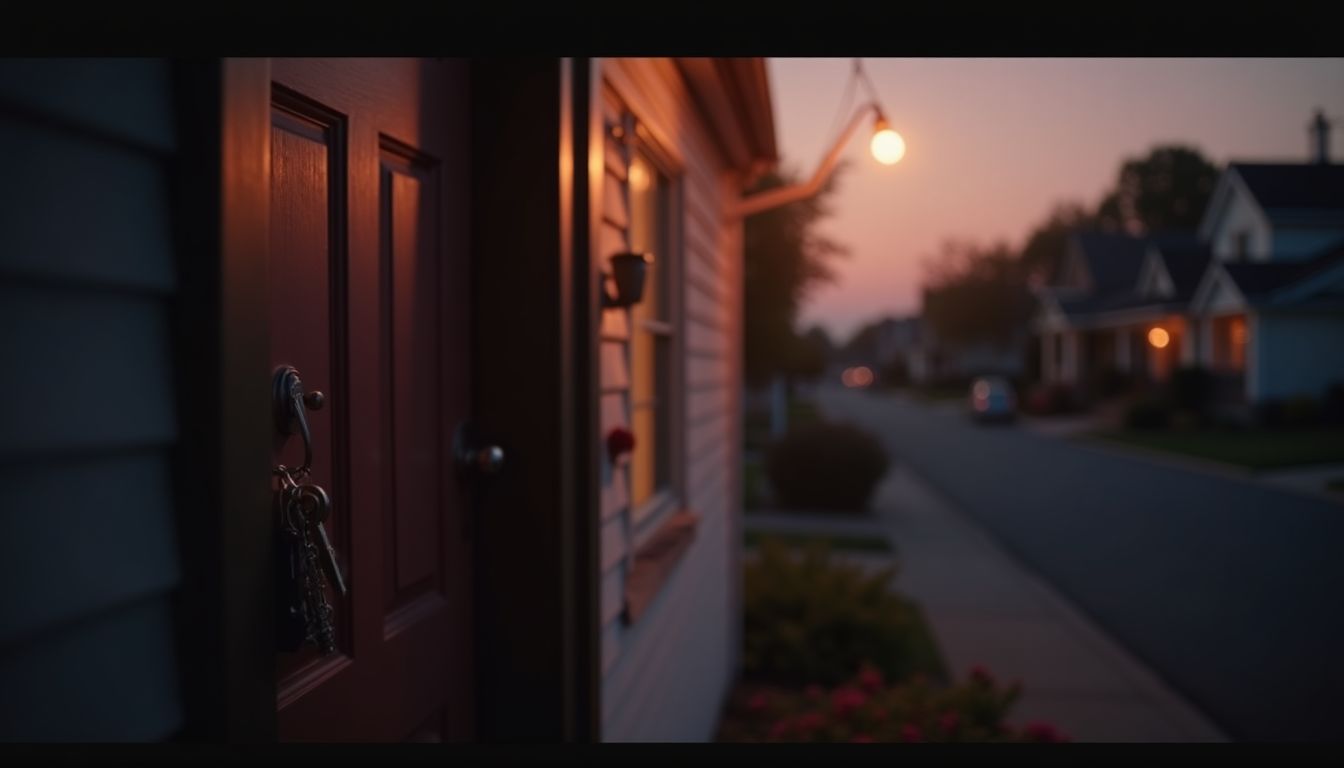
A porch light glowing over a front door at dusk with a delivery parcel on the mat, deep charcoal evening and a warm rose-red lamp glow through the window β€” neighbourhood routines guide

Headlines and neighbourhood gossip both exaggerate; the only honest number is your local police force's published break-in figures. This sanity check takes three numbers you can look up in minutes β€” the break-ins in your area last year, the approximate households there, and the years you plan to live in the home β€” and returns your area's rate per 1,000 homes, how that compares with the typical mark of about three per 1,000, and the honest cumulative chance over your time there. The framing is deliberately calming: even a rate twice the typical mark leaves a per-home yearly chance below one percent, and most break-ins are opportunistic, so your personal risk is driven more by your own doors, windows and routines than by the suburb's headline rate.

⚑ Free instant check

Put your neighbourhood's break-in risk in perspective with real numbers β€” your area's rate per 1,000 homes, how it compares with the typical mark, and what that actually means for your family over the years you will live there.

❓ Neighbourhood Break-In Sanity Check: Real Risk, Real Numbers β€” FAQ

How do I find break-in statistics for my area?

Your local police force or council website usually publishes break-ins per suburb or town for the last year. An approximate count is fine β€” the tool is for perspective, not precision β€” and check the definition, because figures sometimes include attempts, sheds and garages.

What is the average burglary rate?

In most Western countries roughly 3 in every 1,000 homes are burglarised in a given year β€” about 0.3% per home. That compounds to roughly a 3% chance over 10 years in a typical area: still low, which is exactly why neighbourhood-specific numbers matter more than fear-marketing.

My area is above average β€” what should I do?

The honest response is not panic-buying an alarm: it is the boring list done properly β€” locks, reinforced frames, lights on the entry paths, cameras, and an occupied look when you are away. The cost and priority tools on this hub price exactly that list.

πŸ” All security tools

Every tool answers instantly from our own knowledge and calculators β€” no AI wait, no account. Honest maths and plain-language guidance, always educational and never a guarantee: crime risk is neighbourhood-specific and most break-ins are opportunistic, so each answer tells you what is generally true, what to check about your own home and street, and what the next step should be β€” never hype, never fear-mongering. Results are estimates and planning aids, not professional security assessments, and nothing you type is stored. Want the deeper, personalised version? Each has a $2.95 full report.

🚨 Systems & Alarms
πŸ”‘ Locks & Safes
🏑 Neighbourhood & Habits
Educational information only — not professional security advice, and never a guarantee of safety or outcomes. Crime risk varies by neighbourhood, and the most effective measures are usually the boring ones: locked doors, working lights and habits you keep. The tools give plain-language estimates and checklists, not inspections or security assessments. For a genuine threat, a licensed security professional or your local police non-emergency line is the right next step. Refunds honoured.
Β© 2026 Security Hub Β· part of the phyrenix.com network Β· WebMCP manifest Β· tools.json