πŸ”SecurityHub ✦ phyrenix.com
✦ 17 SECURITY TOOLS · FREE INSTANT ANSWERS

Security answers that lock the worry out.

From a motion light that finally makes the back door feel less dark to the honest question of whether a monitored alarm is worth $40 a month, home security is mostly calm, boring decisions made in advance — not fear. These tools compare the real costs, rank the door-and-window fixes that matter, sanity-check the actual break-in numbers for your neighbourhood, and walk you through trips, rentals, packages and pets step by step. Most break-ins are opportunistic: lock the opportunity, keep the receipts, sleep properly. The full detailed report costs less than a coffee: $2.95.

17 toolsFree instant local answers β‰ˆ one coffee ($2.95) for the full reportNo sign-up Β· No fear-mongering Β· Educational

Package Theft Protection: Porch Pirates and Parcels

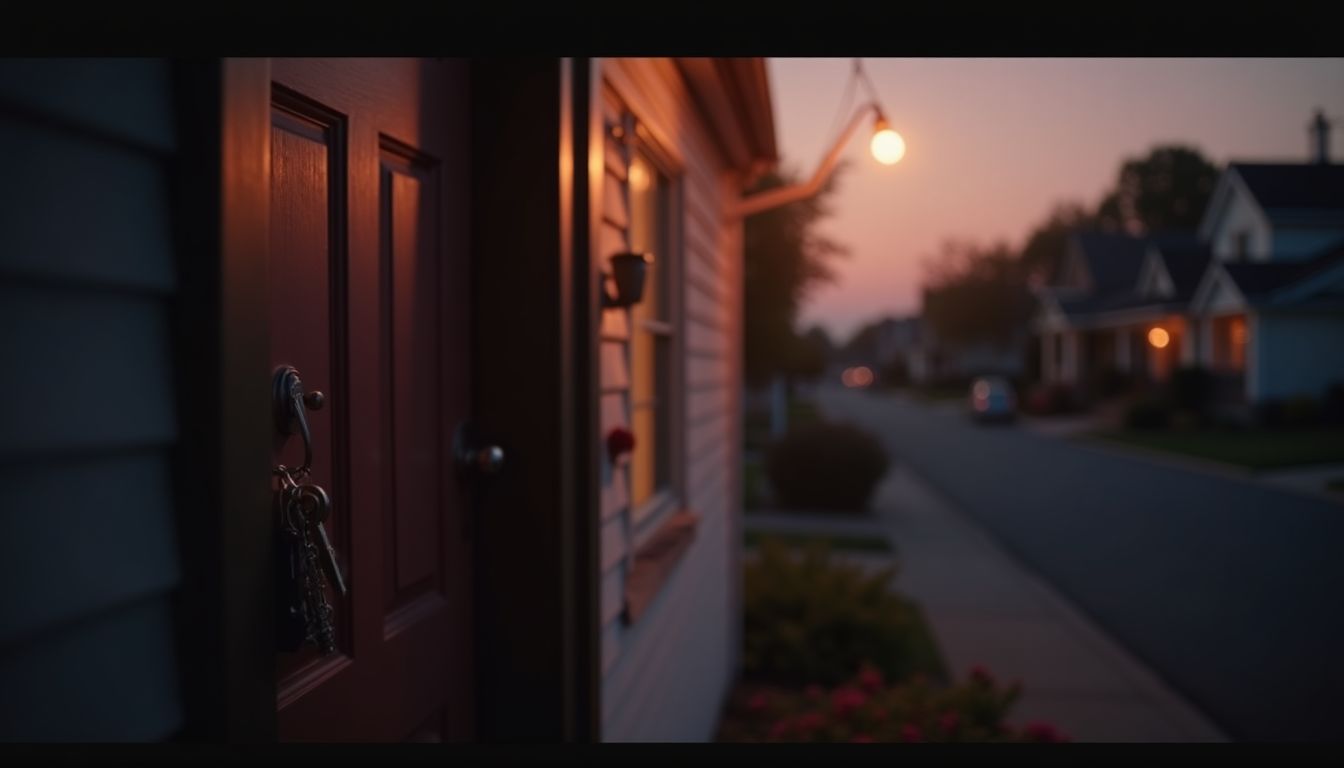
A porch light glowing over a front door at dusk with a delivery parcel on the mat, deep charcoal evening and a warm rose-red lamp glow through the window β€” neighbourhood routines guide

Parcel theft is a crime of convenience with a simple prevention hierarchy: delivery instructions beat gadgets. This guide starts with the honest context β€” most parcels arrive safely, and couriers misdeliver far more boxes than thieves take β€” then builds the practical routine: set the delivery default in your courier app (rear door, neighbour, a safe spot), choose signature or a collection point for anything valuable, and make sure nothing sits visible on an empty porch. The camera layer is real but honest: a doorbell camera records the grab and sometimes deters it, but footage of a hooded figure is not a recovery service. The after-theft playbook is short: check neighbours and the courier first (misdelivery is common), report to police for a reference number, then claim from the seller β€” who in most countries and on most platforms carries the risk until the parcel is in your hands.

⚑ Free instant check

Stop deliveries becoming thefts β€” the honest risk picture for parcel theft, the delivery-side habits that prevent most of it, and what to do the day a package actually goes missing.

Answer 0-10 (10 = the stronger end for every question β€” no wrong answers). Your answers stay on this device β€” nothing is stored.

Empty-looking for days β€” 5 β€” Lived-in even when away
Hope and habit β€” 5 β€” Automatic every time
Porch pile-up β€” 5 β€” Collected or redirected
Never β€” 5 β€” Clock-change routine

Why it matters

  • Parcel theft is a crime of convenience: a box visible from the street on an empty porch is the target, and most thefts are quick grabs by people walking or driving through β€” which means the fixes are about visibility, timing and delivery instructions, not fortification.
  • The honest numbers context: most parcels arrive safely β€” delivery companies lose or misdeliver far more parcels than thieves take β€” but a visible box on a porch while you are at work is the classic setup, and the risk spikes in the weeks before holidays when boxes pile up.
  • The prevention hierarchy that works: delivery instructions beat gadgets β€” requiring a signature, directing the driver to leave it at the back door or with a neighbour, or choosing a collection point removes the porch from the equation entirely.
  • The gadget layer is genuinely useful but honest about its limits: a doorbell camera records the grab (and sometimes deters it), but it does not stop it β€” footage of a hooded figure is better than nothing, but it is not a recovery service.
  • The after-theft playbook is shorter than people think: check with neighbours and the courier first (misdelivery is common), then report to the police online or by phone for a reference number, then claim from the seller β€” in most countries and on most platforms the seller is responsible until the parcel is in your hands, and refunds or replacements for non-delivery are the norm.

Your checklist

  • Check the delivery default: does your courier app let you set 'leave at rear door', 'with neighbour' or a safe spot? Set it today, before the next order.
  • For anything valuable or irreplaceable, choose signature on delivery or a collection point (parcel locker, post office, pickup shop) β€” the 10-minute detour is cheaper than the claim.
  • If you work from home or have a neighbour who does, ask them to grab boxes promptly β€” a box indoors is a box safe.
  • Fit the visibility layer: a doorbell camera or a simple 'deliveries around the back' sign if your porch is street-visible.
  • Track the day it arrives and treat the delivery day like an appointment when the parcel is valuable.
  • If a parcel goes missing: ask neighbours, then the courier, then report it to the seller β€” and know that in most places the seller, not you, carries the risk until delivery.
  • During high-risk seasons (holiday sales), use collection points for anything you cannot be home for.

❓ Package Theft Protection: Porch Pirates and Parcels β€” FAQ

Who is responsible if a parcel is stolen from my porch?

In most countries and on most platforms, the seller is responsible until the parcel is in your hands β€” if it was not delivered to you, you are entitled to a refund or replacement. Report the non-delivery to the seller; the police report is for their evidence and yours.

Do doorbell cameras stop package thieves?

Sometimes β€” a visible camera deters the casual grab β€” but honestly, footage of a hooded figure rarely recovers the parcel. The measures that prevent most thefts are delivery-side: signature required, a rear-door or neighbour drop, or a collection point for anything you cannot be home for.

What is the best way to protect packages?

Make sure nothing sits visible on an empty porch: set the courier app to leave parcels at the back door or with a neighbour, use collection points (parcel lockers, post offices) for valuable items, and have a home-based neighbour grab boxes promptly. The risk spikes in holiday seasons β€” plan for those weeks in advance.

πŸ” All security tools

Every tool answers instantly from our own knowledge and calculators β€” no AI wait, no account. Honest maths and plain-language guidance, always educational and never a guarantee: crime risk is neighbourhood-specific and most break-ins are opportunistic, so each answer tells you what is generally true, what to check about your own home and street, and what the next step should be β€” never hype, never fear-mongering. Results are estimates and planning aids, not professional security assessments, and nothing you type is stored. Want the deeper, personalised version? Each has a $2.95 full report.

🚨 Systems & Alarms
πŸ”‘ Locks & Safes
🏑 Neighbourhood & Habits
Educational information only — not professional security advice, and never a guarantee of safety or outcomes. Crime risk varies by neighbourhood, and the most effective measures are usually the boring ones: locked doors, working lights and habits you keep. The tools give plain-language estimates and checklists, not inspections or security assessments. For a genuine threat, a licensed security professional or your local police non-emergency line is the right next step. Refunds honoured.
Β© 2026 Security Hub Β· part of the phyrenix.com network Β· WebMCP manifest Β· tools.json