🔐SecurityHub ✦ phyrenix.com
✦ 17 SECURITY TOOLS · FREE INSTANT ANSWERS

Security answers that lock the worry out.

From a motion light that finally makes the back door feel less dark to the honest question of whether a monitored alarm is worth $40 a month, home security is mostly calm, boring decisions made in advance — not fear. These tools compare the real costs, rank the door-and-window fixes that matter, sanity-check the actual break-in numbers for your neighbourhood, and walk you through trips, rentals, packages and pets step by step. Most break-ins are opportunistic: lock the opportunity, keep the receipts, sleep properly. The full detailed report costs less than a coffee: $2.95.

17 toolsFree instant local answers ≈ one coffee ($2.95) for the full reportNo sign-up · No fear-mongering · Educational
Seasonal Security Routines: Summer and Winter Patterns

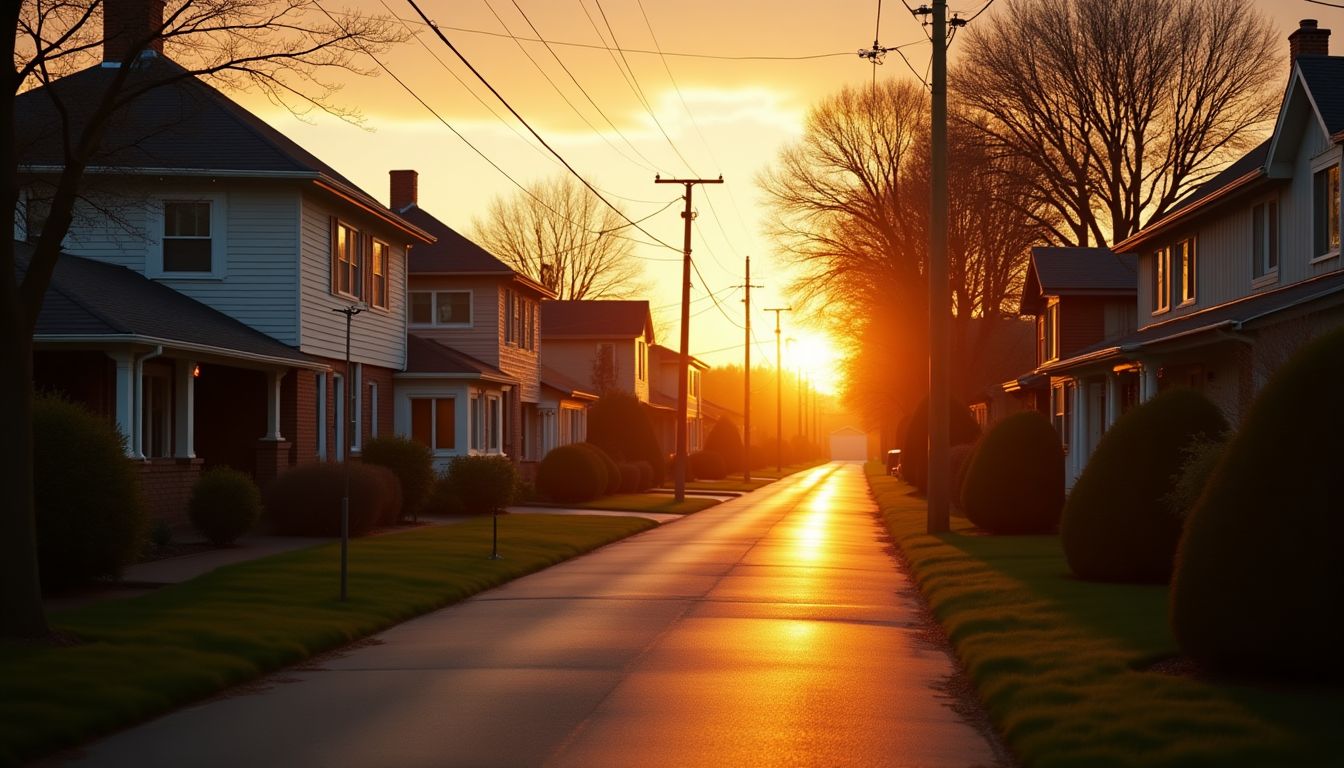
A porch light glowing over a front door at dusk with a delivery parcel on the mat, deep charcoal evening and a warm rose-red lamp glow through the window — neighbourhood routines guide

Crime has seasons, and the honest response is a twice-yearly routine, not a year-round siege. In many regions burglaries tick up in summer, when open windows and holiday-empty houses multiply, and again in the early-dark winter evenings, when houses look visibly empty by 5pm and parcels pile up. This guide maps the seasonal patterns to their fixes: summer is about the open-window policy (window locks with a vent stop beat the heat-versus-security trade-off) and running the full vacation checklist before holidays; winter is about timers that bring the lights on before you arrive, curtains that do not advertise an empty room, and a parcel plan for the holiday wave. The clocks changing twice a year is the perfect built-in reminder: the routine takes under an hour — a perimeter walk at the time you are usually out, every lock and light tested, batteries checked, and any shared codes rotated.

⚡ Free instant check

The honest seasonal security calendar — the windows that stay open in summer heat, the dark winter evenings, the holiday parcel wave and the long-light break-in patterns — and the twice-a-year routine that covers them.

Answer 0-10 (10 = the stronger end for every question — no wrong answers). Your answers stay on this device — nothing is stored.

Empty-looking for days — 5 — Lived-in even when away
Hope and habit — 5 — Automatic every time
Porch pile-up — 5 — Collected or redirected
Never — 5 — Clock-change routine

Why it matters

  • Crime has seasons, and they are not the ones fear-mongering suggests: in many regions burglaries tick up in summer (open windows, holidays, houses empty for weeks) and in the early-dark winter evenings (houses visibly empty at 5pm, parcels piled up) — the honest response is a twice-yearly routine, not a year-round siege.
  • Summer's specific risks are open ground-floor windows, the holiday-empty house, and the shed or garage left open while gardening — the summer sweep is about closing off the easy entries the heat tempts you to leave open (a window lock that allows a 10cm vent is the honest compromise).
  • Winter's specific risks are the dark-evening giveaway and the parcel wave: lights on before you get home (timers beat coming-home-in-the-dark), curtains that do not advertise an empty room, and deliveries collected rather than piled — plus the classic winter one: a snowy path shows exactly who is and is not home.
  • Holiday seasons add their own honest layer: boxes from new purchases parked by the bins advertise what is inside the house (break the boxes down), and the social media 'away for the holidays' post is a broadcast, not a status update.
  • The twice-yearly routine should take under an hour: walk the perimeter like a burglar, test every lock and light, change the code if it has been shared, and check the sensor and camera batteries before the season that will use them.

Your checklist

  • Twice a year (clock changes work perfectly), walk the full perimeter at the time of day you are usually out: what looks easy, visible or unlocked from the street?
  • Summer: decide the open-window policy — which windows genuinely need to open, and which can be locked with a vent stop or pin lock instead.
  • Summer: before any holiday, run the vacation checklist from this hub — the human with the key, the timers, the mail and bins.
  • Winter: set the evening timers so lights come on before you are due home, and check them after the clocks change.
  • Winter: make the parcel plan — collection point or neighbour for the holiday wave, and break down boxes before bin day.
  • Twice a year: test every exterior lock, every motion light, and the alarm (if any) including the backup battery.
  • Keep a one-page seasonal checklist on the fridge or in the notes app — the routine is the security, and it takes an hour twice a year.

❓ Seasonal Security Routines: Summer and Winter Patterns — FAQ

When are burglaries most common?

In many regions there are two seasonal bumps: summer, when open windows and houses empty for holidays multiply the easy options, and the early-dark winter evenings, when empty houses are obvious by 5pm and parcels accumulate. Neither justifies fear — both justify the twice-yearly sweep.

What is the summer security routine?

Decide the open-window policy (which windows genuinely need to open, and which get a vent stop or pin lock instead), keep the shed and garage closed while gardening, and run the vacation checklist before any trip — the human with the key, the timers, the mail and bins.

What is the winter security routine?

Set evening timers so lights come on before you are due home and re-check them after the clocks change, keep curtains from advertising empty rooms, and make a parcel plan for the holiday wave — a collection point or neighbour, and boxes broken down before bin day.

🔐 All security tools

Every tool answers instantly from our own knowledge and calculators — no AI wait, no account. Honest maths and plain-language guidance, always educational and never a guarantee: crime risk is neighbourhood-specific and most break-ins are opportunistic, so each answer tells you what is generally true, what to check about your own home and street, and what the next step should be — never hype, never fear-mongering. Results are estimates and planning aids, not professional security assessments, and nothing you type is stored. Want the deeper, personalised version? Each has a $2.95 full report.

🚨 Systems & Alarms
🔑 Locks & Safes
🏡 Neighbourhood & Habits
Educational information only — not professional security advice, and never a guarantee of safety or outcomes. Crime risk varies by neighbourhood, and the most effective measures are usually the boring ones: locked doors, working lights and habits you keep. The tools give plain-language estimates and checklists, not inspections or security assessments. For a genuine threat, a licensed security professional or your local police non-emergency line is the right next step. Refunds honoured.
© 2026 Security Hub · part of the phyrenix.com network · WebMCP manifest · tools.json