πŸ”SecurityHub ✦ phyrenix.com
✦ 17 SECURITY TOOLS · FREE INSTANT ANSWERS

Security answers that lock the worry out.

From a motion light that finally makes the back door feel less dark to the honest question of whether a monitored alarm is worth $40 a month, home security is mostly calm, boring decisions made in advance — not fear. These tools compare the real costs, rank the door-and-window fixes that matter, sanity-check the actual break-in numbers for your neighbourhood, and walk you through trips, rentals, packages and pets step by step. Most break-ins are opportunistic: lock the opportunity, keep the receipts, sleep properly. The full detailed report costs less than a coffee: $2.95.

17 toolsFree instant local answers β‰ˆ one coffee ($2.95) for the full reportNo sign-up Β· No fear-mongering Β· Educational

Pet-Safe Security: Protecting Home and Animals Together

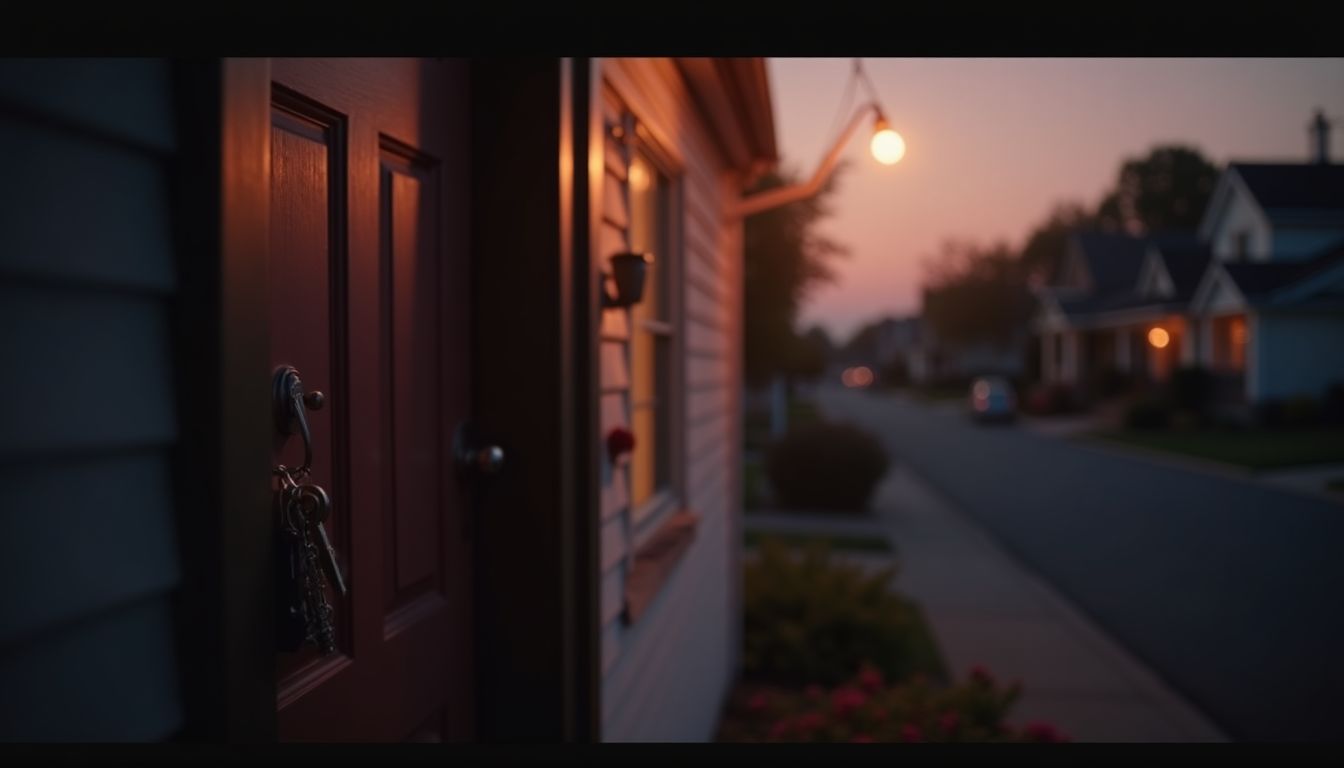
A porch light glowing over a front door at dusk with a delivery parcel on the mat, deep charcoal evening and a warm rose-red lamp glow through the window β€” neighbourhood routines guide

Pets and security systems have a well-known conflict: the cat that patrols the counter at 3am or the dog that owns the hallway will defeat badly placed motion sensors. This guide resolves it with the honest options: modern pet-immune sensors that ignore animals under a set weight, sensors confined to pet-free zones, or door-and-window contact sensors alone, which catch entry without ever watching the pet. It covers the pet door β€” the classic overlooked entry, big enough for the dog and sometimes for a small adult, fixable with locking flaps and out-of-street placement β€” and the pet-friendly wins: cameras with two-way audio that double as the pet-sitter check while you travel, and learning your alarm's stay and away modes so the pet at home does not trigger a full panic. The emergency side is security too: escape routes, ID and microchip details, and a written handover for anyone house-sitting.

⚑ Free instant check

Secure the home without stressing or endangering the pets β€” motion sensors that ignore pets, pet doors that do not become entry points, and the honest plan for alarms, cameras and escape routes when animals share the house.

Answer 0-10 (10 = the stronger end for every question β€” no wrong answers). Your answers stay on this device β€” nothing is stored.

Empty-looking for days β€” 5 β€” Lived-in even when away
Hope and habit β€” 5 β€” Automatic every time
Porch pile-up β€” 5 β€” Collected or redirected
Never β€” 5 β€” Clock-change routine

Why it matters

  • Pets and security systems have a well-known conflict: a cat that jumps on the counter or a 40kg dog that patrols at 3am will defeat badly placed motion sensors β€” but modern pet-immune sensors (which ignore animals under a set weight, roughly up to 35-45kg) and smart placement solve most of it without locking the dog out of the living room.
  • The pet door is the honest weak spot: a flap big enough for the dog is big enough for a small adult or a determined thief with a coat hanger, and it is the classic overlooked entry β€” the fixes are a locking flap (manual or magnetically keyed to the pet's collar), a flap positioned out of street view, or no flap when you are away.
  • The alarm-and-pet plan has three honest options: pet-immune motion sensors in the areas the pet uses, sensors only in pet-free zones (hallways you can close off, upstairs landings), or door-and-window contact sensors alone β€” which catch entry without ever watching the pet.
  • Cameras are the pet-friendly win: they record without reacting, most have two-way audio so you can talk to (or calm) the dog, and they double as the 'check the pet sitter' tool when you travel β€” just keep them out of the pet's reach and the cables hidden from chewers.
  • The escape-and-emergency side is real security too: pets left alone should not be able to trigger a full alarm panic (or be trapped in a fire), so know your system's 'stay' vs 'away' modes, and tell anyone house-sitting about the pet's hiding spots and routines.

Your checklist

  • List where the pet roams and sleeps, then choose your sensor strategy: pet-immune motion sensors, pet-free zones, or door-and-window contacts only.
  • If you have a pet door, check it: can it lock? Does it face the street? Would a coat hanger or a small adult fit? Fix the weakest answer.
  • Learn your alarm's modes (stay/away/disarmed) and make 'pet at home' a mode you actually use β€” test it once with the pet inside.
  • Mount cameras out of reach and secure their cables β€” then test the two-way audio so you can actually calm the dog from your phone.
  • Write the pet handover note for sitters or neighbours: hiding spots, routines, the alarm code and how to silence it, and the vet's number.
  • Check for pet escape routes while you are out: windows the cat can push open, the dog door to a fenced yard with a gate that does not latch.
  • Review the pet's ID and microchip details once a year β€” the security that matters most if the front door is ever left open by mistake.

❓ Pet-Safe Security: Protecting Home and Animals Together β€” FAQ

Will my pet set off the burglar alarm?

Only if the system is set up wrong for your household. Pet-immune motion sensors ignore animals under a set weight (roughly up to 35-45kg), or you use sensors only in pet-free zones or door-and-window contacts alone. The most common cause of pet false alarms is forgetting to switch to stay mode during the day.

Are pet doors a security risk?

A flap big enough for the dog can be big enough for a small adult or a thief with a coat hanger β€” it is a classic overlooked entry. Locking flaps, magnetically keyed flaps that open only for the pet's collar, and flaps positioned out of street view fix most of the risk.

What should a pet sitter know about the security system?

The alarm code and how to silence it, which mode to use while the pet is inside, the pet's hiding spots and routines, the vet's number, and which doors the pet can open. Write it down β€” a panicked sitter with a ringing alarm is how pets get locked out of the plan.

πŸ” All security tools

Every tool answers instantly from our own knowledge and calculators β€” no AI wait, no account. Honest maths and plain-language guidance, always educational and never a guarantee: crime risk is neighbourhood-specific and most break-ins are opportunistic, so each answer tells you what is generally true, what to check about your own home and street, and what the next step should be β€” never hype, never fear-mongering. Results are estimates and planning aids, not professional security assessments, and nothing you type is stored. Want the deeper, personalised version? Each has a $2.95 full report.

🚨 Systems & Alarms
πŸ”‘ Locks & Safes
🏑 Neighbourhood & Habits
Educational information only — not professional security advice, and never a guarantee of safety or outcomes. Crime risk varies by neighbourhood, and the most effective measures are usually the boring ones: locked doors, working lights and habits you keep. The tools give plain-language estimates and checklists, not inspections or security assessments. For a genuine threat, a licensed security professional or your local police non-emergency line is the right next step. Refunds honoured.
Β© 2026 Security Hub Β· part of the phyrenix.com network Β· WebMCP manifest Β· tools.json